
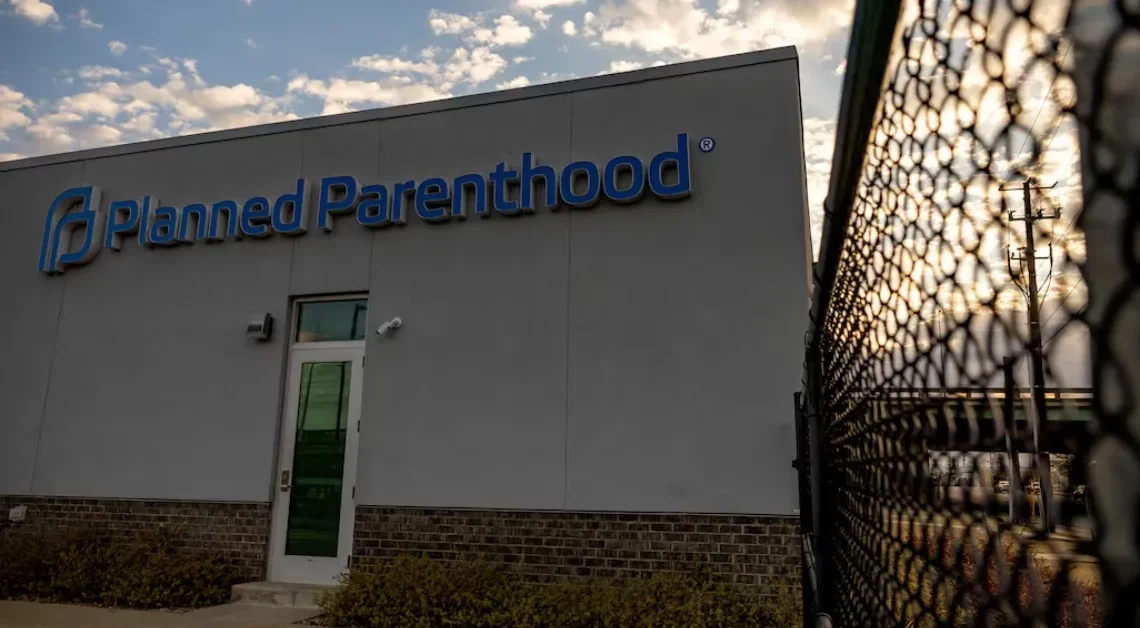
A major legal development in the United States has once again placed Planned Parenthood at the center of a national debate. A federal court has allowed Trump backed efforts to restrict Medicaid funding for Planned Parenthood to move forward in 22 states. The decision has reignited discussions around reproductive healthcare access, states’ rights, and the role of federal funding in supporting medical services for low income populations. For supporters, the ruling represents a long awaited policy correction. For critics, it raises concerns about healthcare gaps and long term consequences for women and vulnerable communities.
This blog explains what the court ruling means, why Medicaid funding is important, how Planned Parenthood fits into the healthcare system, and what could happen next across the affected states.
What the Court Ruling Means
The court decision allows states to enforce policies that block Medicaid reimbursements to Planned Parenthood clinics. These policies were first promoted during Donald Trump’s presidency and are rooted in the argument that states should have greater control over which healthcare providers receive public funds.
Medicaid is a joint federal and state program designed to help low income individuals access healthcare. Under federal law, patients are generally allowed to choose any qualified provider. However, the court ruling supports the view that states can exclude specific providers from Medicaid funding, even if they meet federal qualifications.
This ruling does not immediately shut down Planned Parenthood clinics. Instead, it limits their ability to receive Medicaid payments for services provided to eligible patients in the affected states.
Why Medicaid Funding Matters to Planned Parenthood
Medicaid reimbursements form a significant portion of Planned Parenthood’s funding in many regions. Contrary to common belief, federal law already prohibits the use of federal funds for abortion services, except in limited cases. Medicaid funding received by Planned Parenthood is primarily used for non abortion services such as contraception, cancer screenings, sexually transmitted infection testing, and general reproductive healthcare.
For many low income patients, Medicaid is the only way to afford these services. Without Medicaid coverage at Planned Parenthood clinics, patients may be forced to seek care elsewhere or go without care entirely.
States Affected by the Decision
The ruling applies to 22 states that have sought to exclude Planned Parenthood from Medicaid funding. These states are largely governed by conservative leadership that supports restricting public funding to organizations associated with abortion services.
Each state will implement the ruling differently, depending on local healthcare infrastructure and legal frameworks. Some states already have alternative clinics that can absorb displaced patients, while others may face shortages in reproductive healthcare providers.
Political Background of the Funding Dispute
The effort to cut Medicaid funding to Planned Parenthood gained momentum during Donald Trump’s presidency. His administration supported policies that allowed states to block funds to the organization, framing the issue as one of taxpayer choice and moral accountability.
Opponents argue that these moves were politically motivated and targeted a healthcare provider based on ideology rather than performance or compliance with medical standards. Legal challenges followed, leading to years of court battles that have now resulted in this significant ruling.
Impact on Patients and Communities
The most immediate impact of the funding cuts will be felt by patients who rely on Planned Parenthood for affordable care. In many underserved areas, Planned Parenthood clinics serve as primary healthcare providers, especially for women.
Patients may face longer travel times, increased costs, or limited appointment availability if forced to switch providers. Rural communities and marginalized populations are expected to be particularly affected due to fewer healthcare alternatives.
Healthcare advocates warn that reduced access to preventive services could lead to higher rates of untreated infections, delayed cancer diagnoses, and unintended pregnancies.
Planned Parenthood’s Response
Planned Parenthood has strongly criticized the ruling, calling it a threat to public health. The organization argues that excluding qualified providers from Medicaid undermines patient choice and disproportionately harms low income individuals.
Planned Parenthood officials have stated that they will continue to explore legal options and work with states to maintain access to care. In some regions, the organization may rely more heavily on private donations and state level funding to offset losses.
Supporters’ Perspective on the Decision
Supporters of the ruling believe it restores state authority over healthcare funding decisions. They argue that states should not be required to fund organizations that conflict with local values or policy priorities.
Some supporters also claim that alternative healthcare providers can step in to deliver the same services without controversy. They view the ruling as a step toward redirecting funds to community health centers that do not offer abortion related services.
Legal Implications Going Forward
The decision sets a legal precedent that could influence future cases involving Medicaid provider exclusions. It strengthens the argument that states have discretion over Medicaid funding choices, even when federal standards are met.
However, the ruling does not end all legal challenges. Advocacy groups may continue to file lawsuits, particularly in states where access to care is severely limited. The issue could also return to higher courts if new cases emerge.
Healthcare System Strain and Capacity Concerns
One major question raised by the ruling is whether existing healthcare providers can handle the influx of patients previously served by Planned Parenthood. Community health centers often operate at or near capacity and may struggle to absorb additional demand.
Healthcare experts warn that removing a major provider without ensuring sufficient alternatives could strain the system. This could lead to longer wait times, reduced quality of care, and increased pressure on emergency services.
Public Opinion and Social Debate
Public opinion on Planned Parenthood funding remains deeply divided. Supporters emphasize the organization’s role in preventive healthcare and women’s health. Critics focus on its association with abortion services, despite legal restrictions on funding.
The ruling has reignited national debate, with protests, political statements, and renewed advocacy efforts on both sides. As reproductive healthcare continues to be a polarizing issue, similar legal and policy battles are likely to continue.
Economic and Long Term Health Effects
Beyond immediate healthcare access, the funding cuts could have long term economic effects. Preventive care often reduces healthcare costs by addressing issues early. Reduced access may lead to higher costs for states in the long run due to untreated conditions and emergency care.
Public health researchers emphasize that reproductive healthcare access is closely linked to economic stability, educational outcomes, and workforce participation, particularly for women.
What Happens Next
In the coming months, affected states will begin enforcing Medicaid exclusions, while Planned Parenthood adapts its operations accordingly. Patients will need clear guidance on where and how to access services.
Lawmakers, healthcare providers, and advocacy groups are expected to closely monitor the impact. Future legislative changes or court rulings could still alter the landscape.
Conclusion
The court’s decision to allow Trump backed cuts to Planned Parenthood’s Medicaid funding in 22 states marks a significant moment in the ongoing debate over reproductive healthcare and public funding. While supporters view it as a victory for state control and fiscal responsibility, critics warn of serious consequences for healthcare access and public health.
As the ruling takes effect, its real world impact will become clearer through patient experiences, healthcare system responses, and continued legal challenges. What remains certain is that the issue of Medicaid funding and reproductive healthcare will continue to shape political, legal, and social conversations across the United States for years to come.