
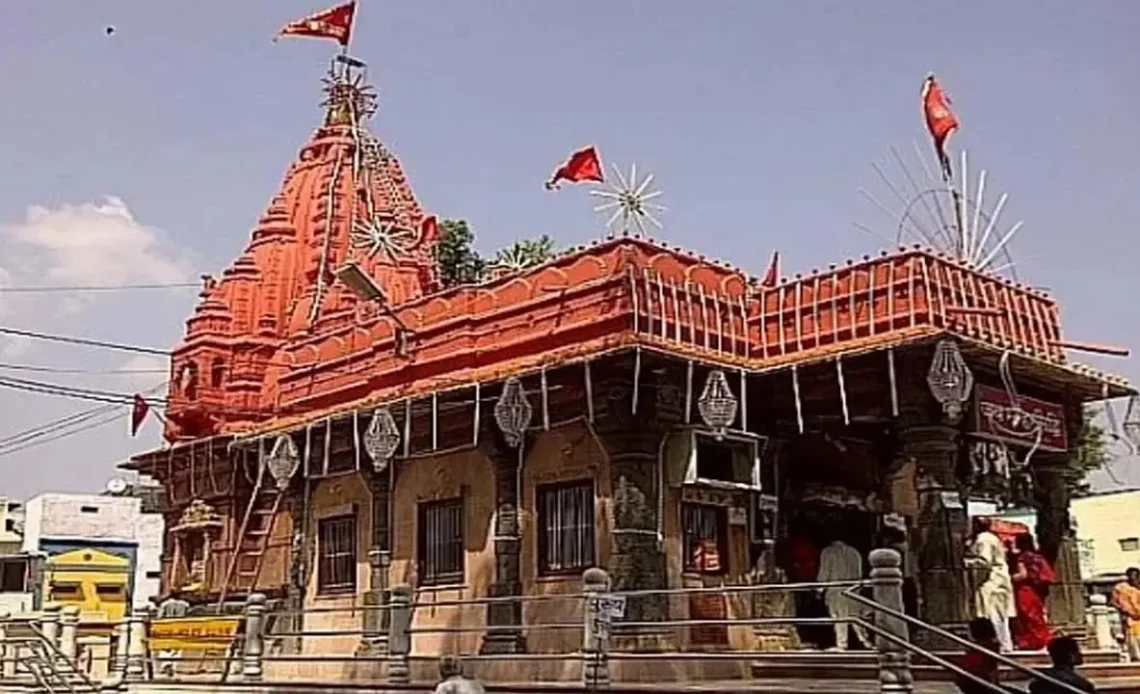
The government of Madhya Pradesh has significantly reduced its allocation for temple renovation over the past three financial years, cutting the budget by nearly two-thirds. The move has triggered discussions across political, cultural, and administrative circles about the future of heritage preservation in the state. With thousands of temples under government oversight, the sharp decline in funding raises questions about maintenance, restoration priorities, and fiscal strategy.
This development comes at a time when religious tourism and heritage conservation have become key components of state-level planning in many parts of India. Madhya Pradesh, often referred to as the heart of India, is home to a vast number of temples that hold spiritual, historical, and architectural significance. Any shift in funding patterns for such sites naturally attracts public attention.
The Scale of the Budget Reduction
Over a span of three years, the temple renovation budget in Madhya Pradesh has been reduced by approximately 66 percent. What was once a substantially higher allocation has now been trimmed to a fraction of its earlier size. This decline reflects a steady downward adjustment rather than a one-time cut, suggesting a deliberate fiscal decision rather than an isolated administrative change.
The budget in question is primarily used for renovation, structural repair, beautification, and preservation of temples managed by the state’s religious endowments department. Funds are typically directed toward maintaining aging structures, improving basic facilities for devotees, and ensuring compliance with safety norms.
With the budget now significantly smaller, concerns have emerged about whether ongoing renovation projects will be slowed down or whether new proposals will be postponed indefinitely.
Why Was the Budget Cut?
While the government has not framed the reduction as an ideological shift, financial considerations appear to be a key factor. States across India are grappling with rising fiscal pressures, including infrastructure expansion, welfare schemes, debt servicing, and social sector spending. In such a scenario, discretionary allocations often undergo reassessment.
Temple renovation funds, though important, may have been reprioritized in favor of sectors such as healthcare, education, rural development, and employment programs. Government officials often argue that resource allocation must align with pressing public needs and long-term development strategies.
However, critics suggest that cutting funds for heritage preservation can have unintended consequences. Temples are not only places of worship but also historical monuments and centers of community life. Reducing their maintenance budgets may affect both cultural heritage and local economies that depend on religious tourism.
The Religious and Cultural Importance of Temples in Madhya Pradesh
Madhya Pradesh is home to thousands of temples, ranging from small village shrines to internationally recognized heritage sites. The state boasts historic temple towns like Ujjain, which houses the revered Mahakaleshwar Temple, one of the twelve Jyotirlingas dedicated to Lord Shiva. It also features the UNESCO-recognized temple complex of Khajuraho, famous for its intricate architecture and carvings.
These temples are deeply woven into the social and cultural fabric of the state. Festivals, fairs, and religious gatherings draw millions of devotees each year. Beyond spiritual importance, these events generate economic activity for local vendors, artisans, and hospitality services.
Renovation and maintenance work are essential not only for preserving the architectural integrity of these structures but also for ensuring safe and comfortable experiences for visitors.
Impact on Temple Maintenance and Preservation
A reduction in funding can have multiple consequences. First, routine maintenance tasks such as structural repairs, repainting, plumbing, electrical upgrades, and sanitation improvements may be delayed. Over time, deferred maintenance can lead to larger repair costs.
Second, heritage conservation often requires specialized expertise and materials. Without adequate financial backing, conservation efforts may not meet recommended standards. This can be particularly concerning for older temples built centuries ago using traditional techniques.
Third, incomplete renovation projects may create public dissatisfaction. Devotees expect clean, well-maintained premises, especially at prominent pilgrimage sites. If improvements stall midway, it may affect public perception of governance and administration.
Political Reactions and Public Debate
Budgetary decisions related to religious institutions frequently become part of larger political discourse. Supporters of the cut argue that fiscal prudence demands careful spending and that essential public services should take precedence.
Opposition voices, on the other hand, question whether the reduction aligns with the state’s broader narrative of promoting cultural heritage and religious tourism. They argue that cutting renovation funds contradicts efforts to position Madhya Pradesh as a spiritual destination.
The debate reflects a broader question: how should governments balance heritage preservation with developmental priorities? While financial discipline is crucial, so too is the safeguarding of historical and religious landmarks that form part of the nation’s identity.
Economic Implications for Religious Tourism
Religious tourism is a significant contributor to local economies in Madhya Pradesh. Pilgrimage centers attract visitors not only from within India but also from abroad. Hospitality businesses, transport services, local handicrafts, and small vendors all benefit from a steady stream of pilgrims.
Investment in temple infrastructure often enhances visitor experience, encouraging repeat visits and longer stays. Improved facilities such as better roads, lighting, sanitation, and crowd management systems can significantly increase footfall.
If renovation budgets continue to shrink, some fear that long-term tourism growth could be affected. However, others argue that major tourism-focused projects may still receive targeted funding even if the overall renovation budget declines.
Administrative Challenges Ahead
With limited funds available, the religious endowments department may need to prioritize projects carefully. This could mean focusing on structurally vulnerable temples or high-footfall pilgrimage sites while postponing cosmetic upgrades elsewhere.
Transparent criteria for project selection will be essential to avoid allegations of favoritism or neglect. Public communication about how funds are allocated can help maintain trust among citizens.
Additionally, the government may explore alternative funding models, including public-private partnerships, community contributions, or corporate social responsibility initiatives to support temple renovation work.
The Broader Fiscal Context
State governments operate within complex financial frameworks that include revenue generation, borrowing limits, and expenditure obligations. Rising debt levels and competing priorities often compel administrations to re-evaluate spending patterns.
In this context, reductions in temple renovation budgets may be part of a larger fiscal restructuring effort rather than an isolated policy change. Observers suggest that examining overall budget trends across departments would provide clearer insight into the government’s priorities.
Balancing Development and Heritage
The situation in Madhya Pradesh illustrates the ongoing challenge of balancing modern development with heritage preservation. Temples are not merely religious spaces; they are repositories of art, architecture, and history.
Investing in their maintenance can serve multiple purposes: cultural continuity, tourism growth, and community engagement. At the same time, governments must address pressing issues such as employment, healthcare access, and infrastructure expansion.
Striking the right balance requires careful planning, stakeholder consultation, and long-term vision.
Looking Ahead
As Madhya Pradesh moves forward, the impact of the budget cut will become clearer over time. If essential restoration work continues efficiently despite reduced funding, concerns may ease. However, if visible deterioration occurs at prominent sites, pressure may mount for reconsideration.
Public response, tourism trends, and administrative performance will likely influence future budget decisions. Governments often revisit allocations based on outcomes and public feedback.
For now, the two-thirds reduction in temple renovation funding stands as a significant fiscal shift. It highlights the complexities of governance in a state rich in cultural heritage yet faced with modern developmental demands.
Conclusion
The decision by the Madhya Pradesh government to slash the temple renovation budget by nearly two-thirds over three years has opened a multifaceted debate. While fiscal prudence and resource prioritization may explain the move, concerns remain about heritage preservation, tourism growth, and cultural responsibility.
Temples in Madhya Pradesh represent centuries of history, faith, and craftsmanship. Ensuring their upkeep is not only a matter of religious importance but also of cultural stewardship. As the state navigates financial challenges, the coming years will reveal how effectively it can maintain this delicate balance between economic realities and heritage preservation.
The story serves as a reminder that budgetary figures are more than numbers; they reflect policy choices that shape cultural landscapes and community experiences for generations to come.